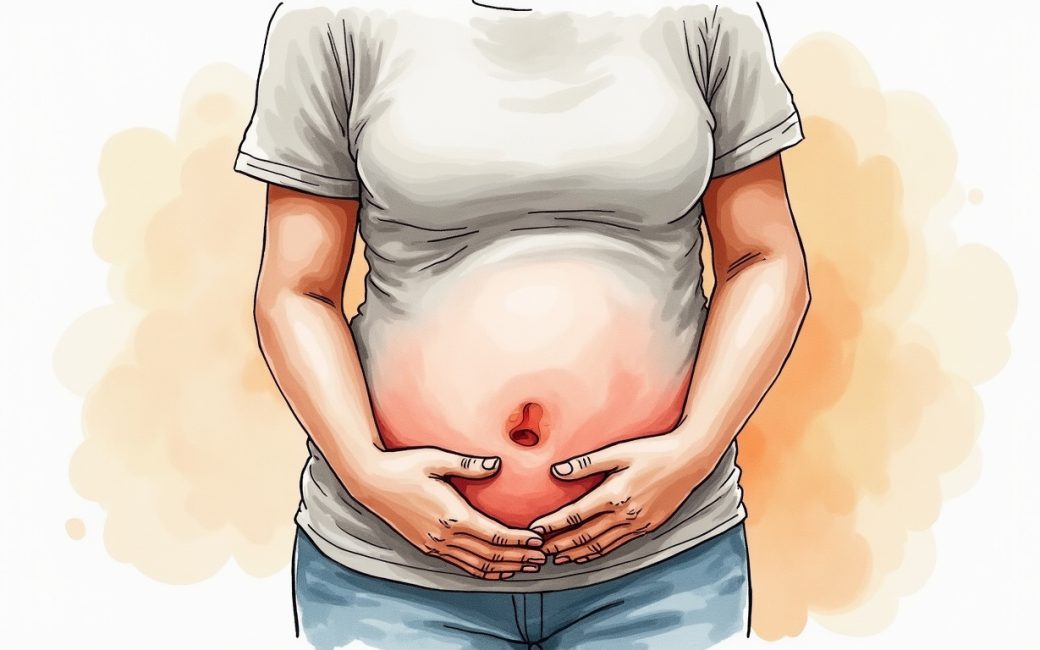
The title asks what a "celiac tummy" looks like, and the honest answer is: nothing distinctive on the outside. The visible symptom — bloating, cramping, a swollen abdomen after eating — is the same set of complaints produced by a wheat allergy, non-celiac gluten sensitivity, IBS, or a fructan intolerance. What separates celiac disease from all of those is not what the abdomen looks like but what happens inside the small intestine, and that can only be confirmed with blood tests and a biopsy, not by symptom-matching.
Eating wheat, barley or rye
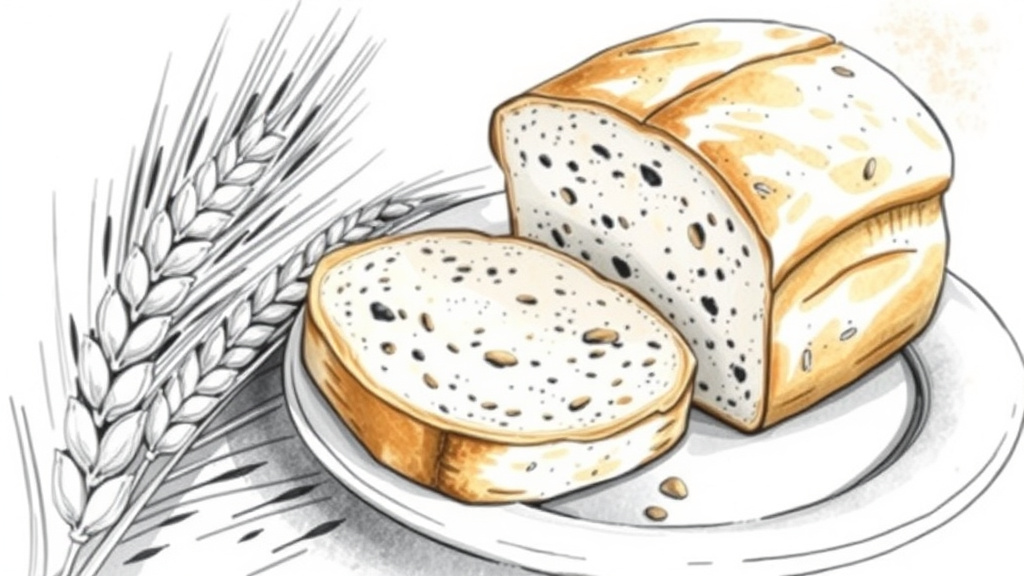
In someone with celiac disease, eating wheat, barley or rye sets off an autoimmune response, not a simple digestive upset. The immune system reacts to gluten — the storage protein in those three grains — by attacking the lining of the small intestine itself, flattening the finger-like villi that absorb nutrients.
That damage is what produces the "celiac tummy" people search for: malabsorption leads to bloating, gas, diarrhea or constipation, and in many cases symptoms that have nothing to do with the gut at all, including fatigue, anemia, and bone pain from poor calcium and vitamin D uptake. Diagnosis follows a fixed order — blood antibody testing first, then an intestinal biopsy to confirm damage — and both steps require that gluten still be part of the diet at the time of testing, because removing it early can mask the antibody response and produce a false negative. Once celiac disease is confirmed, a strict, lifelong gluten-free diet is the only treatment, and it works by removing the trigger so the intestinal lining can heal.
Symptoms after gluten but celiac tests negative and wheat allergy excluded
When gluten clearly triggers symptoms but celiac serology is negative and a wheat allergy has been ruled out by an allergist, the remaining diagnosis is usually non-celiac gluten sensitivity, and confirming it is a process, not a guess. The recognized approach is a structured elimination and reintroduction:
- Remove all sources of gluten completely for a defined period while keeping a symptom log.
- Reintroduce gluten in a measured way and record whether symptoms return.
- If they do, and celiac disease and wheat allergy have both been excluded by testing, the pattern points to non-celiac gluten sensitivity.
- Manage it by avoiding gluten to the point of personal tolerance, rather than by the zero-tolerance standard required for celiac disease.
The distinction matters because the three conditions differ in mechanism and in what's at stake if gluten is eaten anyway:
| Condition | Mechanism | Confirming test | Risk if gluten is eaten |
|---|---|---|---|
| Celiac disease | Autoimmune attack on the small intestine | Blood antibody panel, then biopsy | Villous damage, malabsorption, long-term complications |
| Wheat allergy | IgE-mediated immune reaction to wheat protein | Allergy skin or blood test | Allergic reaction, potentially severe |
| Non-celiac gluten sensitivity | Symptomatic reaction without intestinal damage | No specific test; diagnosis by exclusion | Discomfort, no measurable intestinal injury |
Symptoms persist despite avoiding obvious gluten foods
If someone is diagnosed with celiac disease and still has symptoms, the most common explanation isn't that the diet has failed — it's that gluten is still getting in from a source that isn't obvious. Labels and shared kitchen surfaces are the two places to check first.
Foods and situations that hide gluten or introduce it through shared preparation include:
- Soy sauce and other sauces thickened with wheat-based ingredients
- Beer and malt-based beverages
- Canned or packaged soups using wheat flour as a thickener
- Processed and deli meats bound or coated with gluten-containing fillers
- Spice blends and seasoning mixes with wheat-derived anti-caking agents
- Shared toasters, cutting boards, fryers, or utensils used for gluten-containing foods
Naturally gluten-free whole foods — eggs, plain meat, fish, most fruits and vegetables, rice, and dairy — carry no gluten risk on their own, but the same food becomes a risk once it's processed, seasoned, or prepared on a surface that also touched wheat. That's why the dietary guidance for celiac disease consistently separates "naturally gluten-free" from "safe as eaten," because those are two different claims. If persistent symptoms don't resolve after tightening up labels and eliminating shared-surface exposure, the next step is reassessing the diagnosis itself rather than assuming the diet has simply not "worked."
Bloating and pain after bread
Bloating and pain that show up specifically after bread are often blamed on gluten, but the more likely trigger in someone without celiac disease is the fructan content of wheat, not the gluten itself. Fructans are a type of FODMAP — a fermentable carbohydrate — and wheat is one of the biggest dietary sources of them, which is why a low-FODMAP approach can resolve symptoms that a gluten-free diet does not touch.
The practical order of operations is:
- Test for celiac disease first, while still eating gluten, before removing anything from the diet.
- If celiac disease and wheat allergy are ruled out, consider IBS and FODMAP intolerance as the more likely explanation for bread-specific bloating.
- Target the actual trigger — fructans, not gluten — rather than adopting a lifelong gluten-free diet that isn't medically necessary.
Self-diagnosing "gluten intolerance" from bread symptoms alone skips this order and can lead to years of unnecessary restriction when the real trigger is a fermentable carbohydrate the body simply digests poorly.
Celiac disease
Celiac disease is an autoimmune condition, not a food preference or a sensitivity that can be dosed to tolerance. Gluten exposure triggers the immune system to damage the lining of the small intestine, and that damage is progressive as long as gluten remains in the diet, which is why testing has to happen before any dietary change and why the confirmed treatment is strict, lifelong avoidance rather than an occasional restriction.
Gluten-free diet
For someone diagnosed with celiac disease, a gluten-free diet is a medical treatment, and the only one currently established. It means removing all wheat, barley, and rye — including derivatives like malt — permanently, not temporarily or situationally, and the goal is measurable: allowing the damaged intestinal lining to heal so nutrient absorption can return to normal. Guidance on eating gluten-free for celiac disease frames this as an ongoing nutritional strategy, not a short-term elimination, because even small, repeated exposures can restart the damage.
Non-celiac gluten sensitivity
Non-celiac gluten sensitivity produces real symptoms after eating gluten — bloating, fatigue, brain fog, joint pain — without the intestinal damage that defines celiac disease and without the IgE-mediated allergic response that defines wheat allergy. There is no blood or biopsy test that confirms it directly; it's diagnosed by excluding both of those conditions and then observing whether symptoms track with gluten intake through elimination and reintroduction. Because the intestine isn't being damaged, management focuses on symptom control rather than the zero-tolerance standard celiac disease requires.
Anyone still eating gluten and wondering which of these three categories fits should get tested before changing the diet — a blood panel followed by biopsy if needed remains the only way to confirm or rule out celiac disease, and going gluten-free first is the one step that can make that answer permanently unclear.