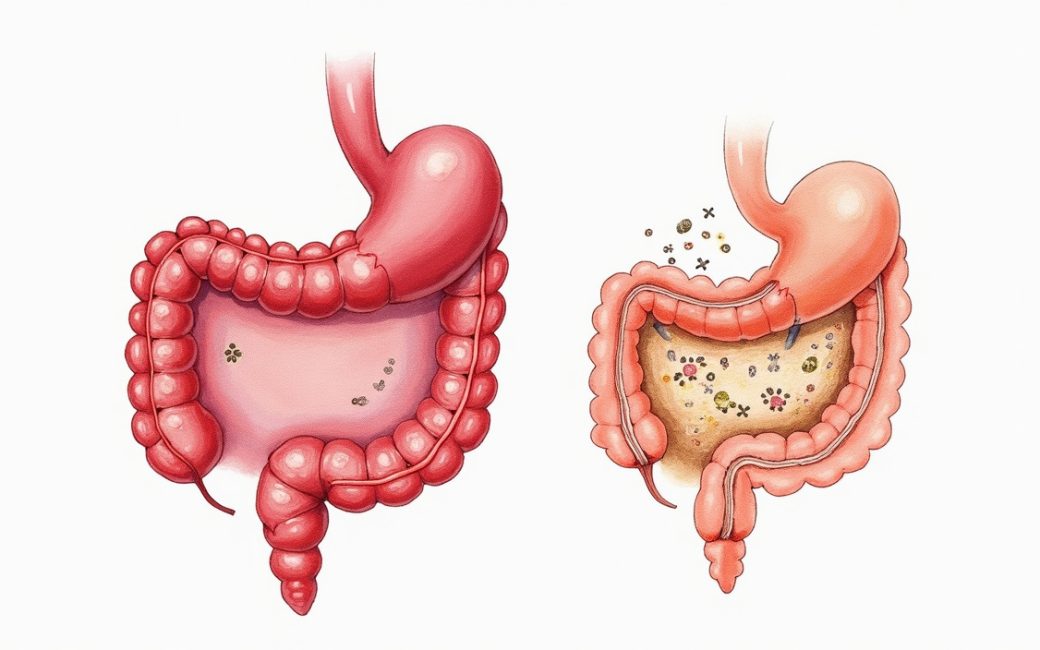
Eating wheat, barley or rye
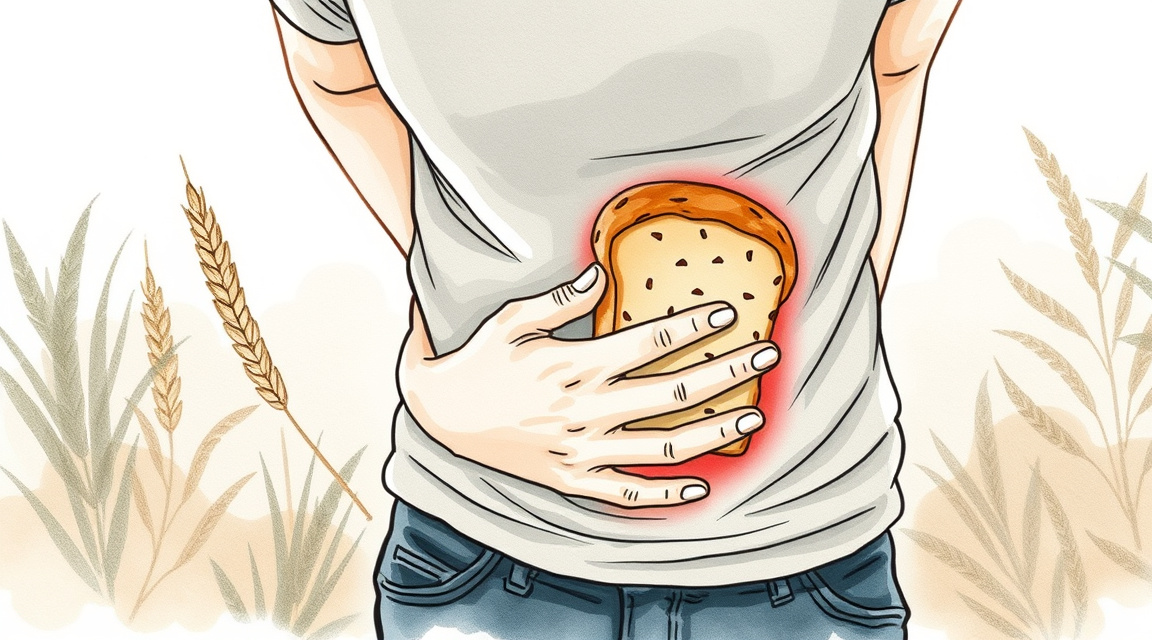
Celiac disease begins with a food, not a lifestyle choice: a genetically susceptible person eats wheat, barley or rye, and the gluten proteins in those grains set off an immune response that the body directs against its own small intestine. This is the core mechanism that separates celiac disease from every other reaction people have to bread, pasta or beer — it is autoimmune, not an allergy and not a sensitivity in the lay sense of the word.
In someone with the right genetic background, gluten peptides cross the intestinal lining and are modified by an enzyme called tissue transglutaminase. The immune system treats the modified peptides as a threat and mounts a response that also damages the villi — the finger-like projections that line the small intestine and absorb nutrients. Over time this produces the flattened mucosa described in the literature as villous atrophy, graded using the Marsh classification on biopsy samples taken from the duodenum, usually with four to six samples including the duodenal bulb, as reviewed in PMC4146987.
The damaged lining can no longer absorb iron, folate, fat-soluble vitamins and other nutrients efficiently, which is why celiac disease produces both digestive symptoms (diarrhea, bloating, abdominal pain) and symptoms that look unrelated to the gut (anemia, fatigue, bone loss, skin rash, infertility). Diagnosis follows a fixed order — blood test first, then intestinal biopsy to confirm — and only after that sequence is complete does the lifelong gluten-free diet begin, since the diet itself allows the small intestine to heal and the villi to regrow. Starting the diet before testing removes the signal the tests are designed to detect.
Symptoms after gluten but celiac tests negative and wheat allergy excluded

When someone reacts to gluten-containing foods but serology and biopsy are negative, and a wheat allergy has been ruled out by a clinician, the remaining diagnosis by exclusion is non-celiac gluten sensitivity. There is no blood marker or biopsy finding for it — the diagnosis rests on a structured elimination and reintroduction process rather than a lab result.
The practical path looks like this:
- Confirm celiac disease and wheat allergy have genuinely been excluded with proper testing, not just assumed.
- Remove gluten completely for a defined period while keeping a symptom diary — timing, severity, and what else was eaten.
- Reintroduce gluten in a measured way and record whether the same symptoms return.
- If symptoms reproducibly return and resolve with removal, manage long-term by avoiding gluten only to the level needed to stay symptom-free, rather than following the zero-tolerance threshold required in celiac disease.
This matters because non-celiac gluten sensitivity does not carry the same risk of ongoing intestinal damage from occasional exposure that celiac disease does, so the dietary strictness that celiac disease demands is not automatically required here.
Symptoms persist despite avoiding obvious gluten foods
The most common reason a gluten-free diet appears to fail is that gluten is still getting in from somewhere other than the obvious foods. Bread and pasta are easy to spot; the harder sources are shared toasters, shared fryers, flour dust on surfaces, sauces thickened with wheat, soy sauce, and "may contain" labeling that gets ignored because it feels like boilerplate.
Work through it in order:
- Check every packaged label for malt, modified food starch of unspecified origin, and hydrolyzed wheat protein, not just the word "wheat."
- Identify shared preparation surfaces and equipment — cutting boards, toasters, fryers, colanders — and separate them or replace them.
- Remove cross-contact sources one at a time rather than changing everything at once, so the cause can actually be identified.
- Reassess after a few weeks: if symptoms settle, cross-contact was the issue; if they don't, revisit the original diagnosis rather than assuming stricter avoidance will eventually work.
Persistent villous atrophy on repeat biopsy despite a diet that looks compliant is one of the findings that leads clinicians to consider refractory celiac disease, which needs specialist follow-up rather than further dietary tightening at home.
Bloating and pain after bread
Bloating and abdominal pain specifically after bread, rather than after gluten in general, points toward the FODMAPs in wheat — short-chain carbohydrates called fructans — or toward irritable bowel syndrome, not necessarily toward gluten itself. Both conditions can produce symptoms that look identical to a gluten reaction, which is exactly why they're frequently confused with it.
The order that avoids a wrong, lifelong diagnosis:
- Test for celiac disease first, while still eating gluten, before removing anything from the diet.
- If celiac disease and wheat allergy are excluded, consider a low-FODMAP trial under guidance rather than a gluten-free trial, since fructans — not gluten — are the suspected trigger in many of these cases.
- Once the actual trigger is identified, target it specifically: a wheat intolerance driven by fructans does not require avoiding barley or rye, and does not carry celiac disease's risk from trace cross-contact.
Treating every post-bread symptom as a gluten problem leads people toward an unnecessarily restrictive, difficult diet when the actual fix may be narrower.
Celiac disease
Celiac disease is an autoimmune condition in which gluten exposure triggers immune-mediated damage to the small intestine in people who carry the genetic markers HLA-DQ2 or HLA-DQ8. Those markers have high negative predictive value — a person without either one is very unlikely to have celiac disease — but carrying one is common in the general population and is not itself diagnostic, since most carriers never develop the disease.
Estimates place prevalence around 1% of the population, with substantially higher rates among first-degree relatives of someone already diagnosed and among people with type 1 diabetes or autoimmune thyroid disease, a clustering noted in reviews of the condition's clinical features and epidemiology PMC4146987. Presentation varies widely — from classic diarrhea and weight loss, to silent disease found only through screening, to atypical presentation with anemia, osteoporosis or neurological symptoms and no digestive complaints at all, as described in overviews of the condition's diagnostic approach PMC6701393.
Gluten-free diet
The gluten-free diet is the only established treatment for celiac disease, and it is lifelong — not a trial, not a phase, and not something to be loosened once symptoms improve. Strict avoidance allows the small intestine to heal; reintroducing gluten, even occasionally, restarts the immune damage regardless of whether symptoms are felt.
This is why the diet is medical treatment rather than a dietary preference: stopping it does not just risk discomfort, it risks the return of villous atrophy and the nutrient malabsorption that comes with it. Management resources aimed at primary care emphasize that adherence needs to be checked at follow-up visits, not assumed, because incomplete adherence — often through cross-contact rather than deliberate gluten intake — is common even among people who believe they are fully compliant, a point raised in primary-care-oriented overviews of celiac management Johns Hopkins.
Non-celiac gluten sensitivity
Non-celiac gluten sensitivity is a diagnosis of exclusion: symptoms that appear after eating gluten, without the autoimmune intestinal damage, positive serology, or genetic risk pattern that defines celiac disease, and without the IgE-mediated reaction that defines wheat allergy. It sits in the gap between the two better-defined conditions, which is also why it is the hardest of the three to confirm with a test.
| Celiac disease | Wheat allergy | Non-celiac gluten sensitivity | |
|---|---|---|---|
| Mechanism | Autoimmune, T-cell mediated | IgE-mediated allergic reaction | Unclear; not autoimmune or allergic |
| Confirming test | tTG-IgA serology plus duodenal biopsy | Skin prick or specific IgE testing | None; elimination and reintroduction |
| Intestinal damage | Villous atrophy | Absent | Absent |
| Tolerance for trace exposure | None — strict avoidance required | Varies with allergy severity | Often dose-dependent, managed to tolerance |
Because there is no biomarker, the label should only be applied after celiac disease and wheat allergy have both been actively tested for and ruled out, not simply because gluten-free eating made someone feel better.
What are 5 signs and symptoms of celiac disease?
The five most commonly cited signs are chronic diarrhea or constipation, abdominal bloating and pain, unexplained weight loss, fatigue linked to iron-deficiency anemia, and a persistent itchy skin rash known as dermatitis herpetiformis. None of these is unique to celiac disease on its own, which is part of why the condition is frequently misdiagnosed or missed for years.
Beyond this core five, clinical reviews describe a wide range of less obvious presentations: bone pain or osteoporosis from calcium and vitamin D malabsorption, numbness or tingling from neurological involvement, mouth ulcers, delayed growth in children, and infertility or recurrent miscarriage in adults with otherwise unexplained cases, patterns summarized in cohort data on presentation at diagnosis pap.es. Some people have no digestive symptoms at all and are identified only because a relative was diagnosed or because routine bloodwork flagged anemia.
What blood test is used to diagnose celiac disease?
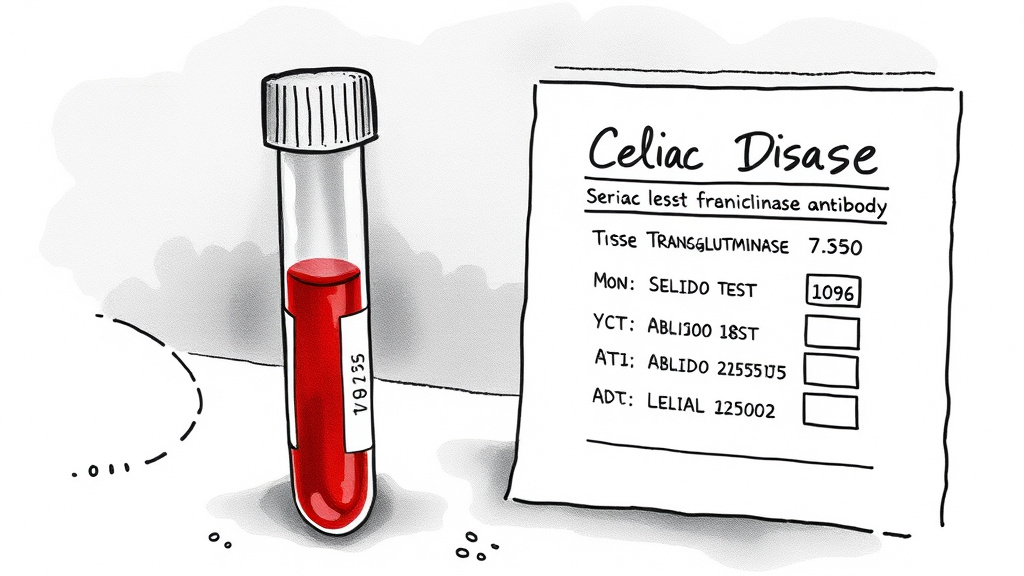
The first-line blood test is tTG-IgA (tissue transglutaminase IgA antibody), run alongside a total IgA level to catch the IgA deficiency that can produce a false-negative tTG-IgA result. If total IgA is low, clinicians switch to an IgG-based test such as DGP-IgG, since the IgA-based tests become unreliable in that situation, an approach laid out in guidance on wide-scale celiac screening PMC6701393.
For these tests to mean anything, gluten must still be in the diet — protocols generally call for ongoing regular gluten intake for several weeks before testing, since antibody levels fall once gluten is removed and a negative result at that point does not rule out celiac disease, it simply reflects an inadequate gluten challenge. A positive blood test is followed by a duodenal biopsy to confirm villous atrophy and assign a Marsh grade before a formal diagnosis is made; a positive serology alone is not considered sufficient confirmation in standard practice. Genetic testing for HLA-DQ2/DQ8 is used mainly to rule celiac disease out in ambiguous cases, not to rule it in, given how common those markers are in people without the disease.
How long after going gluten-free will I notice a difference?
Many people notice some symptom improvement within the first few weeks of strict gluten elimination, but the intestinal lining itself takes considerably longer to heal, and healing speed varies by age and how much damage was present at diagnosis. Symptom relief and mucosal healing are not the same timeline, which is a common source of confusion for people newly diagnosed.
Follow-up serology is typically used to track whether antibody levels are falling as expected, with repeat testing at intervals over the following months rather than a single recheck. Persistent symptoms after an extended period of a carefully followed diet should prompt a review for cross-contact sources, FODMAP or lactose intolerance, or in less common cases, refractory celiac disease — not simply more time on the same diet.
What are some tips for someone newly diagnosed with celiac disease?
The priority in the first six months is confirming nutrient status and building a diet that is reliably free of cross-contact, not just free of obvious gluten foods. Several nutrients are commonly depleted at diagnosis because of the malabsorption caused by villous atrophy, so they're worth rechecking specifically rather than assuming the gluten-free diet alone will correct them.
- Ask for ferritin, vitamin B12, folate, vitamin D and zinc to be rechecked, since deficiencies in these are common at diagnosis.
- Ask about a DEXA bone density scan, since reduced bone density is frequent enough at diagnosis to warrant baseline screening.
- Learn to read labels for malt, hydrolyzed wheat protein and "may contain wheat" statements, not just the word gluten.
- Separate or replace shared kitchen equipment — toasters, cutting boards, colanders — that can't realistically be cleaned to a safe standard.
- Schedule follow-up serology rather than relying on symptom relief alone to judge whether the diet is working.
- Ask first-degree relatives whether they've been screened, given the elevated risk of celiac disease within families.
A newly confirmed diagnosis is also a reasonable point to ask a clinician which specific follow-up tests and intervals apply, since monitoring schedules vary and the diet's success is measured with lab work, not just how someone feels.